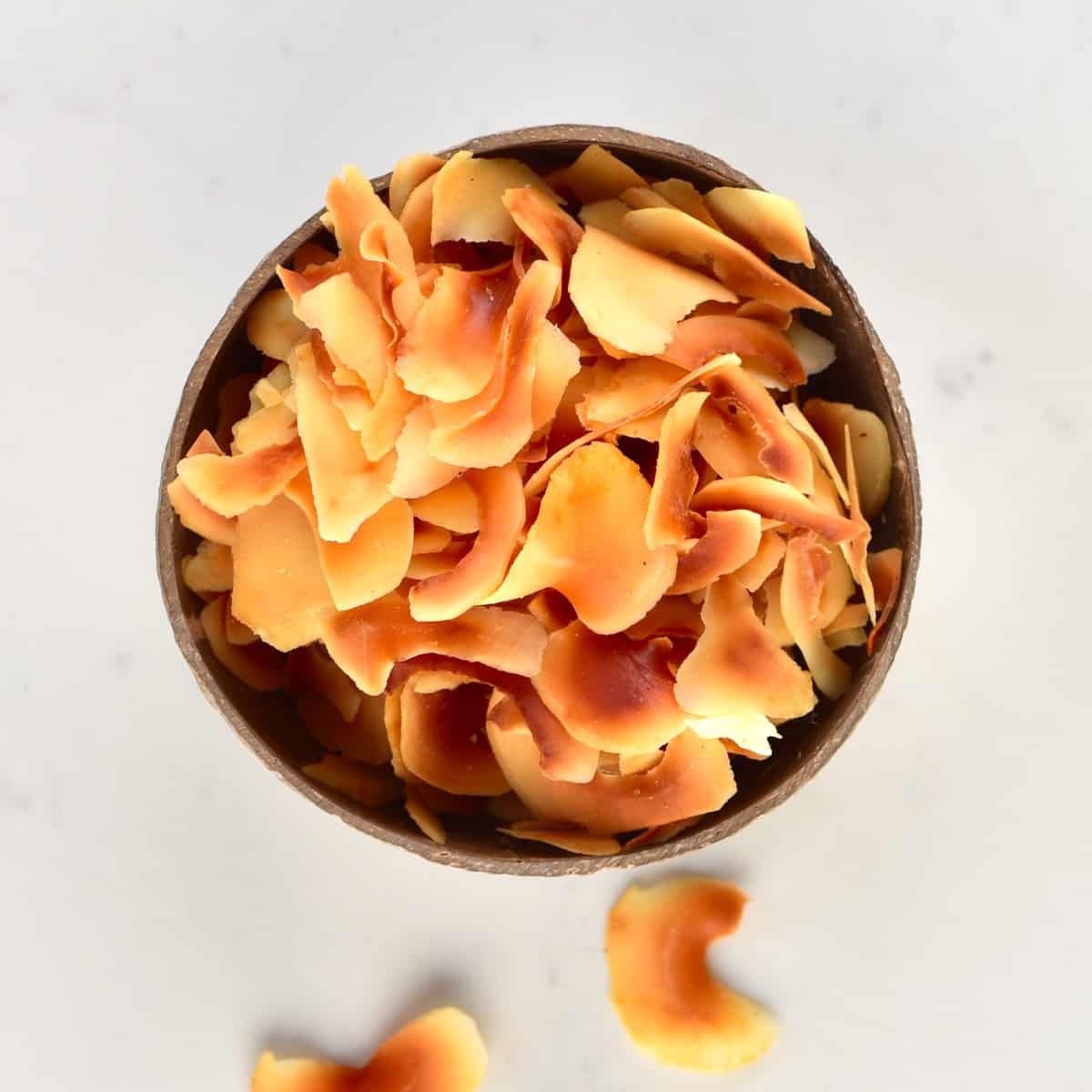
Unlocking Culinary Gold: The Art of Making Perfect Toasted Coconut Flakes
Few ingredients offer the unique blend of crunch, sweetness, and exotic aroma quite like toasted coconut flakes. Whether you're a seasoned chef or a home cooking enthusiast, mastering how to make coconut flakes coconut chips at home is a game-changer. These delightful morsels are not just a versatile topping for your breakfast bowls, desserts, or savory dishes; they are also a fantastic, wholesome snack that aligns perfectly with Keto, Paleo, and Gluten-Free lifestyles. Forget the often-sweetened, additive-laden store-bought versions – creating your own guarantees purity, freshness, and the exact flavor profile you desire.
From a single mature coconut, you can conjure up a bounty of these golden flakes, transforming a simple ingredient into a culinary star. The process is surprisingly straightforward, opening up a world of customization. Imagine unsweetened flakes for a savory curry, subtly sweet chips to adorn a smoothie, or a boldly flavored snack to munch on. The beauty of the DIY approach lies in this endless potential.
Why Craft Your Own Toasted Coconut Flakes? The Homemade Advantage
While supermarket shelves boast a variety of coconut products, there's a compelling case to be made for making your own toasted coconut flakes. The primary advantage is unparalleled control over ingredients and preparation. Many commercial coconut chips come pre-sweetened with refined sugars or contain preservatives and oils that you might prefer to avoid. When you master how to make coconut flakes coconut chips at home, you dictate every aspect:
- Dietary Compliance: For those following Keto, Paleo, or Gluten-Free diets, homemade flakes are a godsend. You ensure they are free from unwanted sugars, grains, or artificial additives, making them a perfectly compliant and delicious snack or ingredient. Coconut itself is naturally low-carb, high in healthy fats (MCTs), and packed with fiber, making it an excellent choice for these dietary frameworks.
- Superior Freshness and Flavor: There's simply no comparison to the vibrant taste and aroma of freshly prepared coconut. The natural oils are intact, and the flavor is more pronounced and authentic than dried, packaged alternatives that have sat on a shelf for months.
- Customization Galore: Want them extra crispy? A little chewy? Sweetened with erythritol for a Keto treat, or spiced up with chili for a savory twist? Homemade flakes are your canvas. You can explore a vast array of flavors and textures, making them truly unique to your palate.
- Cost-Effectiveness: While an initial investment in a mature coconut might seem like a small splurge, the yield of homemade flakes often far surpasses the quantity and quality you'd get from similarly priced store-bought specialty chips.
- Zero Waste: The entire coconut offers something valuable. The water is a refreshing drink, and even the brown skin can be repurposed. It's a satisfying way to utilize a whole food ingredient.
Making your own coconut flakes offers an empowering journey into healthier snacking and cooking. For more inspiration on transforming this tropical fruit into delightful treats, consider reading our article on DIY Coconut Chips: Unlock Healthy, Flavorful Snacks & Toppings.
Essential Tools and Ingredients for Your Coconut Creation
Before diving into the process of creating beautiful, golden toasted coconut flakes, gather your simple arsenal of tools and the star ingredient:
The Humble Ingredients:
- Mature Coconut: This is the heart of your operation. Choose a coconut that feels heavy for its size, without any cracks, and listen for the slosh of water inside when you shake it. A mature coconut has thicker, firmer meat ideal for flaking.
- Optional Seasonings: For sweet flakes, consider a pinch of sea salt (enhances sweetness!), a dash of vanilla extract, or a natural sweetener like erythritol or maple syrup (used sparingly for Paleo). For savory flakes, think about spices like paprika, cumin, or even a hint of chili powder.
Your Culinary Toolkit:
- Hammer or Mallet: Essential for cracking open that sturdy coconut shell. A heavy kitchen cleaver or a specialized coconut tool can also work wonders.
- Sturdy Bowl: To catch the precious coconut water.
- Butter Knife or Prying Tool: For separating the coconut meat from its shell.
- Vegetable Peeler: Crucial for removing the thin brown skin from the coconut meat.
- Vegetable Peeler or Mandolin: The key to achieving thin, uniform flakes. A mandolin offers superior consistency, which is vital for even toasting. If using a mandolin, always exercise extreme caution and use a safety guard.
- Baking Sheet: A large, flat baking sheet is needed for drying and toasting.
- Parchment Paper or Silicone Mat: To prevent sticking and ensure easy cleanup.
- Oven or Dehydrator: Your choice for the drying and toasting phase.
The Step-by-Step Guide to Perfect Toasted Coconut Flakes
The journey from a whole coconut to perfectly crisp, golden flakes is simpler than you might imagine. Follow these steps meticulously, and you'll soon be enjoying your homemade creation.
Step 1: Cracking Open the Coconut
This can seem daunting, but with the right technique, it's quite simple. Hold the coconut firmly with one hand (you might want to place it on a kitchen towel to prevent slipping) and use a hammer or mallet to strike along the "equator" of the coconut. Rotate the coconut slowly as you strike, applying firm, even pressure. After several rotations, you'll feel and hear the shell begin to crack. Continue until it splits into two halves. Make sure to do this over a bowl to collect the refreshing coconut water, which is delicious and rich in electrolytes.
Pro Tip: For an even easier crack, place the whole coconut in the freezer overnight. The extreme cold causes the meat to contract slightly, making it much easier to separate from the shell after cracking.
Step 2: Extracting the Coconut Meat
Once your coconut is in halves, it's time to liberate the white meat. Take a butter knife (or a sturdy, dull knife) and carefully slide it between the coconut meat and the hard outer shell. Wiggle and pry gently, working your way around the circumference. The meat should start to loosen and eventually pop out in large pieces. Don't worry if some smaller pieces break off; this is perfectly normal.
If you used the freezer hack, you might find that after cracking, the meat simply chips away from the shell with minimal effort.
Step 3: Peeling and Shaping Your Flakes
Now that you have your chunks of white coconut meat, you'll notice a thin, brown skin clinging to one side. While this skin is edible and adds fiber (some people leave it on, or add it to smoothies or oatmeal), removing it yields a cleaner, more visually appealing flake. Use a standard vegetable peeler to carefully peel off this brown layer, then rinse the white coconut meat thoroughly.
The next crucial step is shaping. Using either a vegetable peeler or a mandolin, carefully shave the coconut meat into thin, uniform flakes or chips. Uniformity is key here – thinner, more consistent flakes will dry and toast evenly, preventing some from burning while others remain soft. Aim for a thickness similar to store-bought coconut flakes. For more detailed instructions on creating various forms of homemade coconut, check out our guide on Make Homemade Coconut Flakes: Easy Steps for Versatile Chips.
Step 4: Drying and Toasting for Golden Perfection
This is where the magic happens, transforming raw flakes into irresistible, golden-brown toasted delights. Regardless of your chosen method, spread your freshly shaved coconut chips in a single layer on a large baking sheet lined with parchment paper or a silicone mat. Overcrowding will lead to steaming instead of toasting, so use multiple trays if necessary.
Oven Method (Recommended for Toasted Flakes):
Preheat your oven to a low temperature, around 140-150°C (275-300°F). While some methods suggest lower temperatures for drying, we're aiming for that perfect toast. The key is low and slow with constant vigilance. Place the baking sheet(s) in the preheated oven. Start checking your flakes after about 15-20 minutes. Give them a gentle shake or stir to ensure even exposure to heat. Continue baking, checking every 5-10 minutes and stirring, until the flakes turn a beautiful golden brown and feel crisp to the touch. This can take anywhere from 25-45 minutes, depending on your oven and the thickness of your flakes. Do not walk away from the oven during this stage – coconut can go from perfectly golden to burnt in a matter of seconds!
Dehydrator Method (for Dried Flakes, can be Toasted Later):
If you prefer a gentler drying method, a dehydrator works wonderfully. Spread the flakes in a single layer on dehydrator trays. Set the temperature to 40-50°C (105-125°F) and dry for approximately 4-8 hours, or until completely crisp. While this method results in perfectly dried flakes, they won't be "toasted" in the traditional sense. You can then lightly toast them in a dry pan on the stovetop over medium-low heat for a few minutes, stirring constantly, or in a very low oven for a short period, if you desire that golden hue and deeper flavor.
Once dried and toasted to your liking, remove the flakes from the oven or dehydrator and allow them to cool completely on the baking sheet. They will crisp up further as they cool.
Customizing Your Coconut Creations and Storage Tips
Now that you've mastered how to make coconut flakes coconut chips, it's time to unleash your creativity! The beauty of homemade lies in the ability to personalize your flakes.
Flavor Infusions:
- Sweet & Simple: Before baking, lightly spray the flakes with a tiny bit of coconut oil and sprinkle with a natural sweetener like erythritol or a touch of maple syrup (if Paleo). A pinch of cinnamon or a few drops of vanilla extract can elevate the sweetness.
- Savory & Spicy: For a delightful twist, toss the flakes with a drizzle of olive oil, sea salt, black pepper, and your favorite spices like smoked paprika, garlic powder, chili flakes, or even a curry blend before toasting.
- Chocolate Drizzle: Once cooled, melt some dark chocolate (sugar-free for Keto) and drizzle it over your toasted flakes for an indulgent treat.
Storage for Lasting Freshness:
Proper storage is key to maintaining the crispness and flavor of your homemade toasted coconut flakes. Once completely cool, transfer them to an airtight container. Store at room temperature in a cool, dry place away from direct sunlight. They will typically stay fresh and crispy for 2-3 weeks. If you notice them losing their crispness, you can briefly re-toast them in a dry pan or a low oven for a few minutes.
Conclusion: Your Homemade Toasted Coconut Journey Awaits
Embarking on the journey of how to make coconut flakes coconut chips at home is a rewarding experience that pays dividends in flavor, health, and culinary creativity. You gain control over ingredients, sidestep unnecessary additives, and unlock a world of delicious possibilities perfectly suited for Keto, Paleo, and Gluten-Free lifestyles. From the satisfying crack of the coconut to the golden, crisp perfection of your finished flakes, every step is a testament to the joy of homemade goodness.
So, grab a mature coconut and get ready to transform it into a versatile, wholesome, and utterly irresistible ingredient. Your culinary adventures (and your snack drawer) will thank you!
