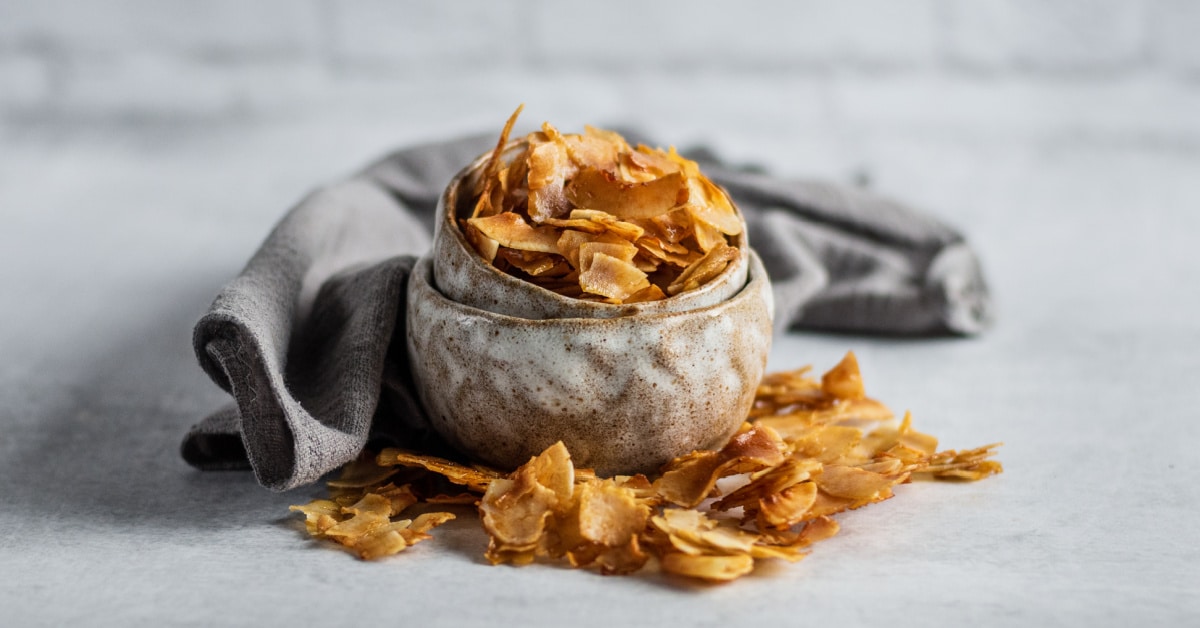
From exotic curries to decadent desserts, and even as a standalone healthy snack, coconut holds a special place in the culinary world. But beyond its milk and oil, the humble coconut offers another incredibly versatile and delightful form: flakes or chips. Learning how to make coconut flakes coconut chips at home is not only a rewarding experience but also opens up a world of customization, freshness, and pure, unadulterated flavor that store-bought versions often can't match.
Imagine perfectly crisp, naturally sweet, or even savory coconut chips, tailored precisely to your taste. Whether you're aiming for unsweetened flakes to decorate a cake, lightly toasted chips to sprinkle over morning oats, or boldly flavored snacks for an afternoon pick-me-up, the homemade route gives you complete control. This comprehensive guide will walk you through the surprisingly simple process of transforming a whole mature coconut into your very own stash of delectable flakes, proving that this beloved ingredient is far more accessible than you might think.
Why Craft Your Own Coconut Flakes? Unlocking a World of Flavor and Health
The allure of homemade coconut flakes goes far beyond mere novelty. It's about empowerment in the kitchen, offering unparalleled control over ingredients and preparation. When you master how to make coconut flakes coconut chips, you're not just creating a food item; you're crafting a versatile ingredient that fits seamlessly into a myriad of dietary preferences and culinary applications. For starters, homemade means you dictate the sweetness – or lack thereof – avoiding the often excessive sugars found in commercial products. This makes them ideal for those following specific dietary paths like keto, paleo, gluten-free, low-carb, grain-free, or nut-free regimens.
Think about the sheer versatility: on their own, sweet and salty coconut chips make an irresistible snack, reminiscent of exotic treats often found in international food aisles. But they shine equally bright as a topping, elevating everything from a simple fruit bowl or yogurt parfait to a sophisticated dessert. Sprinkled over a vibrant salad, mixed into homemade granola, or even folded into baked goods, these chips add a delightful texture and tropical essence. Plus, by making them yourself, you can experiment with a vast array of flavorings – from a hint of vanilla or cinnamon to a kick of chili, curry, or even a decadent cocoa dusting. This level of customization simply isn't available with pre-packaged options, making your homemade efforts truly special and tailored to your palate. For more creative uses and healthy snack ideas, explore DIY Coconut Chips: Unlock Healthy, Flavorful Snacks & Toppings.
Essential Tools and Ingredients for Homemade Coconut Chips
Embarking on your coconut flake adventure requires surprisingly few specialized tools. The star of the show, of course, is the mature coconut itself. When selecting your coconut, choose one that feels heavy for its size and, most importantly, slosh it around to ensure it's full of water. This indicates a fresh, healthy coconut with plenty of tender meat inside.
Gather Your Tools:
- For Opening the Coconut: A sturdy hammer or mallet is your primary tool. A durable surface (like a concrete floor or a thick chopping board) and a kitchen towel to prevent sliding are also crucial for safety. For those who frequently work with coconuts, a specialized coconut opening tool can be a worthwhile investment.
- For Extracting the Meat: A simple butter knife is often all you need. Its dull edge makes it safe to wedge between the shell and the meat without risking injury.
- For Shaping the Flakes: This is where you have a choice. A standard vegetable peeler will yield beautiful, delicate flakes of varying sizes. For more uniform, thin chips, a mandolin slicer is excellent, but exercise extreme caution and always use the safety guard. The goal is to create thin, relatively even pieces to ensure consistent drying.
- For Drying: A large baking sheet (or several, depending on your coconut size) is essential for the oven method. If you have a food dehydrator, this offers a gentler, more energy-efficient drying process.
- For Storage: Airtight containers are a must to keep your finished flakes crisp and fresh.
With these simple items ready, you're well-equipped to transform a whole coconut into a delicious pantry staple.
The Step-by-Step Guide to Making Perfect Coconut Flakes
The process of making your own coconut flakes might seem daunting at first, but it's actually quite straightforward, involving just a few key steps. Let's break down exactly how to make coconut flakes coconut chips from scratch.
Step 1: Mastering the Art of Opening a Coconut
Opening a mature coconut is often considered the trickiest part, but with the right technique, it's surprisingly easy. Hold the coconut firmly with one hand, perhaps wrapped in a kitchen towel for stability, and use a hammer or mallet to strike along its "equator" – the middle line that runs around the coconut. Rotate the coconut as you hit it, applying firm, even pressure. After a few rotations, you'll hear and feel a crack. Continue tapping along the crack until it's wide enough to pull the coconut apart into two halves. Make sure to do this over a bowl to catch the nutritious coconut water, which you can drink or use in smoothies.
Step 2: Extracting the Pristine Coconut Meat
Once your coconut is in halves, it's time to separate the white meat from the hard shell. Take a butter knife and carefully slide it between the coconut meat and the shell. Gently wiggle the knife, working your way around the circumference of each half. With a bit of patience, the meat will start to detach. Don't worry if some pieces break off; this is perfectly normal. An excellent hack for easier extraction is the "freezer method": place the whole coconut in the freezer overnight. When you take it out the next day and crack it open, the shell often separates from the meat almost effortlessly due to the contraction and expansion during freezing.
Step 3: Peeling and Shaping Your Flakes
Now that you have the raw coconut meat, you'll notice a thin brown skin on one side. While edible, it can be slightly tougher and less aesthetically pleasing. Use a standard vegetable peeler to carefully remove this brown skin, revealing the pristine white meat beneath. You can save the brown skin bits for adding to smoothies or oatmeal if desired. Once peeled, rinse the white coconut meat thoroughly. Next, using either your vegetable peeler or a mandolin (with extreme caution!), begin to peel the coconut into thin, uniform chips or flakes. Aim for consistency in thickness, as this will ensure even drying. The thinner and more uniform your flakes, the crisper they will become.
Step 4: Drying for Crisp Perfection (Oven vs. Dehydrator)
This is where your coconut chips transform from moist pieces into crunchy delights. You have two primary methods for drying:
Oven Method:
Preheat your oven to a low temperature, typically around 60ºC (140ºF). Spread your freshly peeled coconut chips in a single layer on a large baking sheet. It's crucial they don't overlap to allow for even airflow. Bake for approximately an hour, but keep a close eye on them. After 30 minutes, give the tray a gentle shake to flip the chips, then check every 10-15 minutes thereafter. The goal is for them to be completely dry and crisp, not toasted or burnt, unless you're intentionally making Steps to Perfect Toasted Coconut Flakes: Keto, Paleo, Gluten-Free. Ovens vary, so adjust times as needed; some may take longer.
Dehydrator Method:
For a gentler, more energy-efficient approach, a food dehydrator is an excellent option. Arrange your coconut chips in a single layer on the dehydrator trays. Set the temperature to around 40ºC (105ºF). This method typically takes longer, usually between 4-6 hours, but offers consistent, low-heat drying without the risk of burning. Periodically check on them and rotate trays if your dehydrator doesn't have even heat distribution.
Regardless of the method, once the coconut chips are dry and crisp, remove them from the heat and allow them to cool completely at room temperature. They will crisp up even further as they cool.
Customization and Storage Tips for Your Homemade Coconut Chips
One of the greatest joys of making your own coconut flakes is the ability to customize them. Before drying, you can lightly toss your freshly peeled coconut chips with various flavorings. For a classic sweet and salty snack, a tiny pinch of sea salt and a drizzle of maple syrup or honey works wonders. For savory variations, consider a sprinkle of chili powder, a dash of smoked paprika, or a hint of curry powder. If you're drying them in the oven and want a slightly toasted flavor, you can increase the temperature slightly towards the end of the drying process, but watch them very carefully as they can burn quickly. For sweet dessert toppings, a touch of vanilla extract or cinnamon adds a warm complexity.
Versatile Uses:
- Snacks: Enjoy them plain, or seasoned as a healthy, satisfying munch.
- Toppings: Elevate breakfast bowls, yogurt, fruit salads, oatmeal, chia puddings, and even green salads.
- Baking: Fold them into muffins, cookies, granola bars, or use them as a crunchy topping for cakes and pies.
- Savory Dishes: Add a tropical crunch to stir-fries, curries, or roasted vegetables.
Storage:
Proper storage is key to maintaining the crispness and freshness of your homemade coconut chips. Once they are completely cool, transfer them to an airtight container. Store them in a cool, dry pantry away from direct sunlight. When stored correctly, homemade coconut flakes can remain fresh and wonderfully crisp for several weeks, if not months. If they ever lose a bit of their crunch, a quick refresh in a low oven for 5-10 minutes can bring them back to life.
Conclusion
Crafting your own coconut flakes from a whole mature coconut is a truly rewarding kitchen endeavor. Not only does it allow you to control every aspect of the final product, from sweetness levels to flavor profiles, but it also provides an incredibly versatile ingredient that can enhance countless dishes and satisfy your snack cravings in a healthy, wholesome way. The process, while requiring a few steps, is straightforward and yields superior results compared to their store-bought counterparts.
So, the next time you spot a whole coconut, don't shy away. Embrace the challenge and discover the satisfaction of creating your very own batch of perfectly crisp, delicious coconut chips. Experiment with different seasonings, explore new culinary applications, and enjoy the endless possibilities that homemade flakes bring to your kitchen. You'll soon discover just how to make coconut flakes coconut chips that rival store-bought versions, proving that the best flavors often come from your own two hands.
